














































👑🌿In the mid-16th century, King Philip II of Spain sent the physician and botanist Francisco Hernández to Mexico to search for valuable medicinal plants. Hernández found… insects on a cactus. Red, juicy and, surprise surprise, brilliant at dyeing.
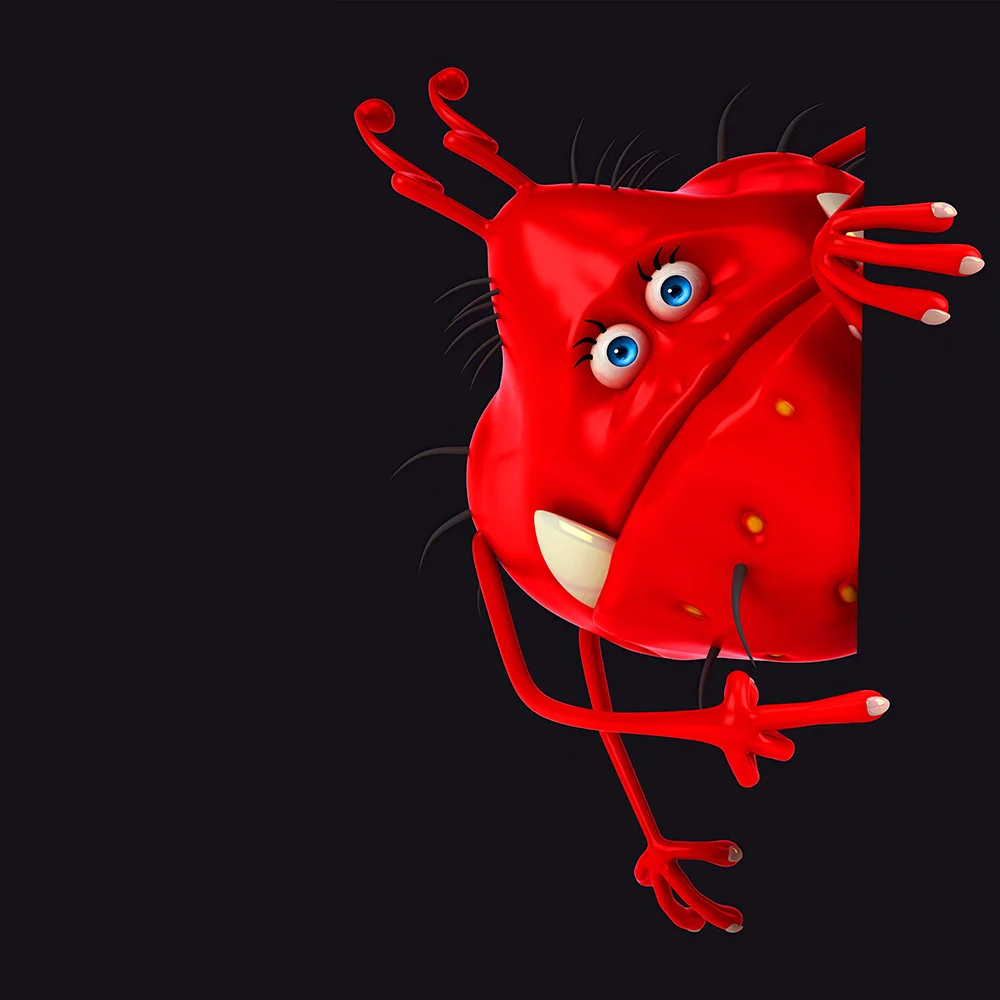



Francisco realises that these little bugs are like living pots of ink, and he does what any logical person would do: tries to dye everything that isn’t nailed down.
💃 From bugs to royal robes
European aristocrats fall in love with this deep red. Local people are forced to grow cacti and the “dye bugs”. Cochineal dye becomes a luxury commodity, and Spain makes millions. Its origin, like the Coca-Cola recipe, is a closely guarded secret.
☠️ Fame without fortune
Hernández himself gains little from this huge discovery, apart from a bit of fame. He falls ill: it’s believed that while travelling around Mexico he was poisoned or caught an illness, possibly from the gases, plants or dyes he was studying. He was also allergic to cochineal. His illness kept him from returning to court or publicly defending his achievements; he loses influence and has to live outside the wealthy circles that profited from the cochineal trade.
🍓 How was red dye made? Cochineal today
Cochineal, also known as carmine, is still used as a natural food colouring in many yoghurts, sweets and cosmetics. Yes, it comes from dried bugs that live on cacti. But you’ll rarely see a label that says: “Contains dried insects.”
🧐 Fun facts:
- Red was the first colour after black and white.
As far back as 40,000 BC, people were painting cave walls with red pigment made from iron oxide (rust). - The human brain notices red first
We associate it with danger or food. - Soldiers in ancient Rome wore red tunics
So that blood on their clothes was less visible and the enemy couldn’t tell how badly they were wounded. - Lipstick was a status symbol, and could even be deadly
In ancient Mesopotamia, women crushed semi-precious stones to colour their lips red. And in the 1700s, lipsticks containing lead could be fatal. - “E120” in food means crushed insects. Cochineal, also known as carmine, is still used as a natural food colouring in many yoghurts, sweets and cosmetics. Yes, it comes from crushed bugs found on cacti.
Contact us | Follow us: TikTok, YouTube, Facebook, Instagram,