



























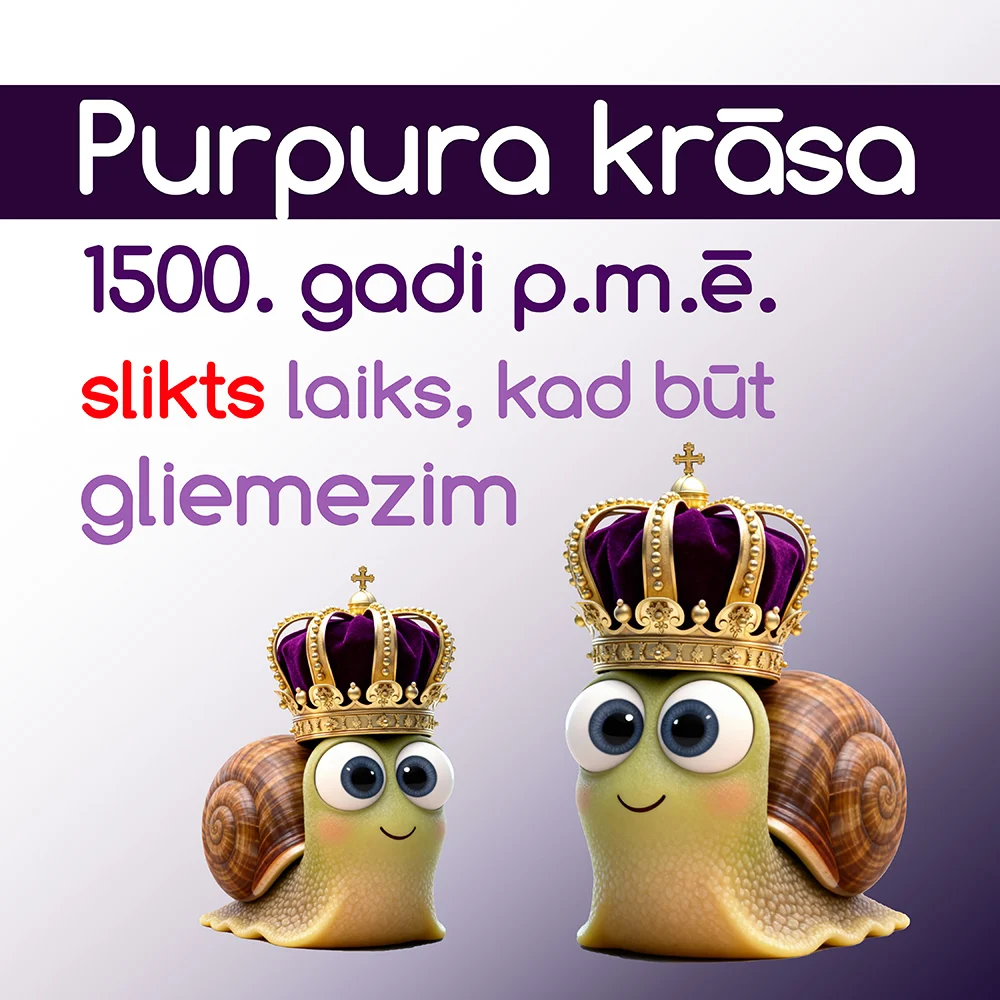
The story begins more than three thousand years ago on the shores of the Mediterranean, in the Phoenician port city of Tyre. People discovered a very special colour: purple. It was a hugely expensive, exclusive and foul-smelling dye made from sea snails.

How was purple dye made? The snails were crushed and carefully fermented, and the smell was dreadful.
- The dye works stood outside the cities, because the stench was so strong that people kept well away.
- It took thousands of snails to make a single gram of purple dye. The snails were collected and crushed to squeeze a drop of pale fluid from their glands. Exposed to air and sunlight, it slowly turned yellow, then green… and finally purple: a shade that isn’t simply violet, but alive.
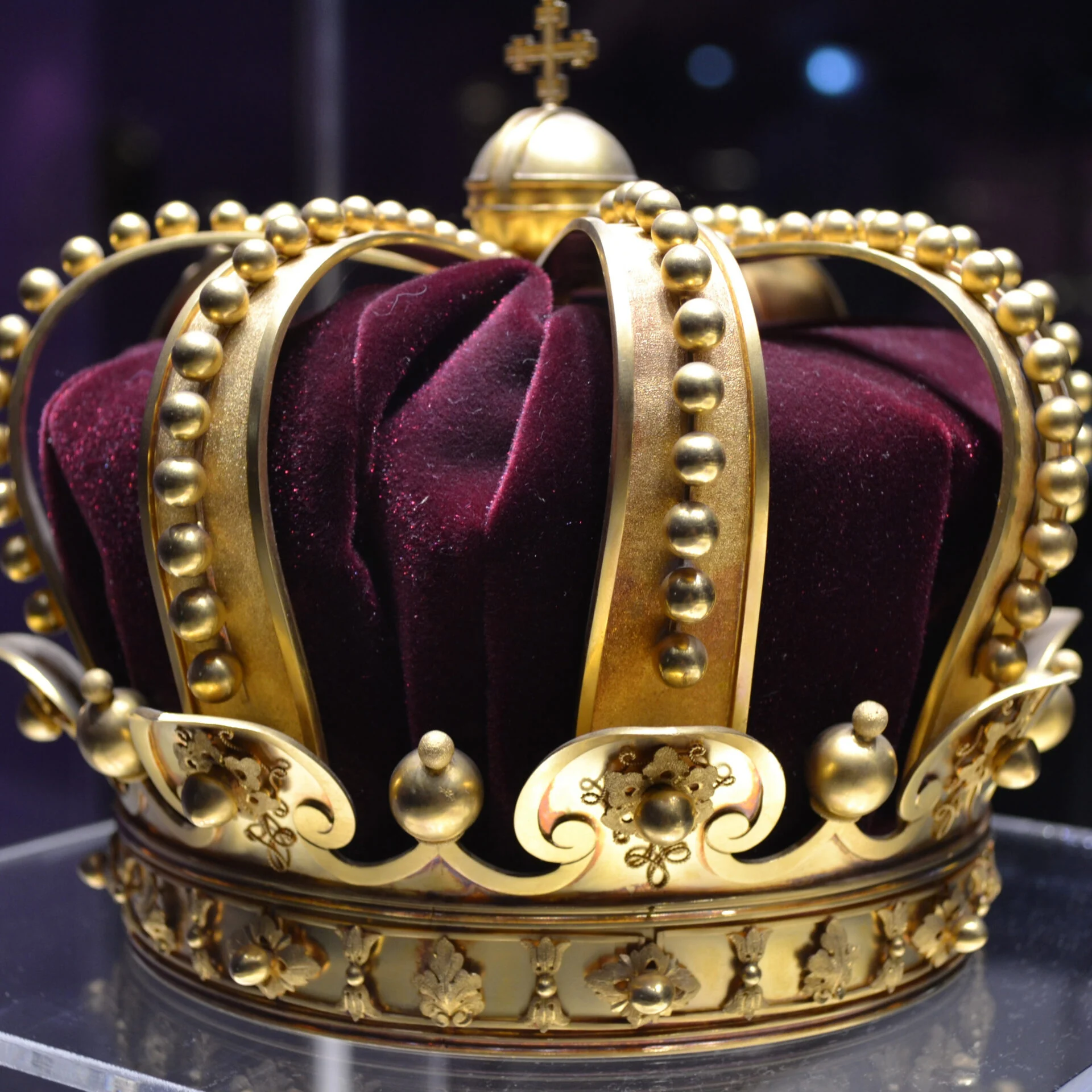
- Purple became the colour of kings and emperors, and only they were allowed to wear it.
- The colour became so sacred that the law forbade ordinary people even to touch it. The penalty for faking it was death. The colour was no longer just about looks: it became a symbol of the social order.
- When the Roman and Byzantine empires fell, the power of purple fell with them. Synthetic dyes appeared, and the skill of making Tyrian purple almost disappeared. Only a handful of scientists and historians can still recreate the ancient process.
- Today we can buy a purple tote bag or scarf for a few euros. We create digital images in any shade we like. But genuine Tyrian purple, made from Murex snails, still costs hundreds or even thousands of euros per gram and is a rare sight, mostly in collections of antiquities or in special rituals.
How was purple dye made? At the cost of countless snails. They paid a high price so that today we can enjoy the luxury of purple. Their silent sacrifice has left a lasting mark on culture and history. So show a little respect every time you choose a shade of purple: it’s not just style, it’s history.
Contact us | Follow us: TikTok, YouTube, Facebook, Instagram,